Why Are Japanese Apartments Called Mansions? What It Means
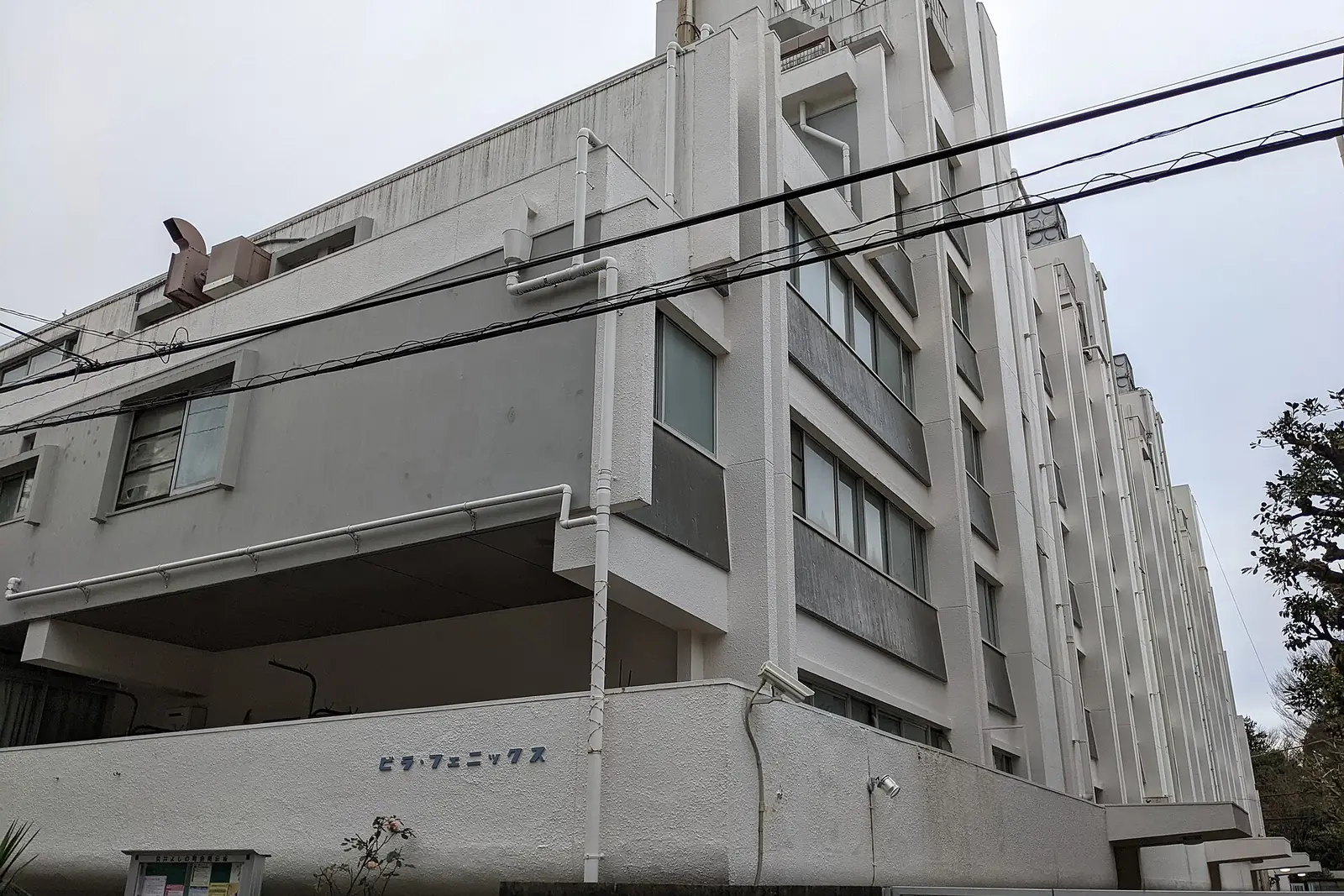
You browse a rental site for Tokyo and every second listing says "mansion", yet the photos show a normal block of flats. Why are Japanese apartments called mansions? Because in Japan the borrowed word manshon simply means a solid, usually concrete building of separate homes, not a grand house. This guide explains what the rules say, how a mansion differs from an apato, the numbers, and what the word tells you when you look for a room.
What you are seeing
You walk past a white block of flats in a quiet Tokyo street, and the listing on your phone calls it a manshon. It looks like an ordinary building of small homes. Nothing about it looks like a country house.
The short answer
Japanese apartments are called mansions because Japan borrowed the English word and gave it a narrower, local meaning. In Japanese property rules, a manshon, meaning a flat, is a building of separate homes made of reinforced concrete or another solid structure. Size and luxury play no part. A lighter building of rented homes is called an apato, meaning a rental.
What the rules say
Japan has no single definition of the word. The three official sources we read each draw their own line, and none of them mentions luxury.
- The condominium law (2000): A manshon is a building with two or more unit owners and at least one unit used as a home. It does not mention size, height or building material.
- The property advertising rules: The industry's fair-advertising code defines a manshon as a concrete or other solid building divided into separate homes. An apato is any rented building of homes that is not a manshon.
- The government's statistics: The housing ministry counts a manshon when it has three or more floors and is sold unit by unit. It must also be built of concrete or steel.
The idea of owning one flat inside a larger building comes from a 1962 law. It lets each separate part of a building, such as a home, shop or office, be owned on its own.
The numbers
- About 7.24 million: condo homes in Japan at the end of 2025 (housing ministry estimate)
- About 16 million: people living in them, using the 2020 census average of 2.2 people per household
- More than 1 in 10: share of Japan's population this represents
- About 1.03 million: condo homes built to the older earthquake standard
- About 53,000: condo homes in 1968, the first year in the ministry's chart
What is the difference between an apartment and a mansion in Japan?
The difference is the structure, not the size or price. Under the advertising rules, a manshon is a solid building, usually concrete, and an apato is a rented building that is not one. The rules name no material for an apato.
What are Japanese apartments called?
There are two everyday words, manshon and apato. Listings also split them by deal type, such as a newly built manshon for sale or a used manshon for rent. Each type has its own required ad details.
Is a Japanese mansion a luxury home?
Not by definition. None of the three official lines mentions luxury. The advertising code also bans words like "highest grade" in property ads unless the seller has evidence to back them up.
What it means for you
When you book a long stay or look at rentals, read manshon as "concrete building" and apato as "lighter building". If the word is missing from a listing, ask what the building is made of. For why rooms in Japan are often small, see our guide to why Japanese hotel rooms are so small. For the small vents on the wall of each room, see why Japanese apartments have air vents.
More on Japan Explained
 JAPAN EXPLAINED3 min read
Japan's Election Vans: Why They Only Shout the Candidate's Name
White vans, loudspeakers and one name on repeat. The election law that makes them sound like that.
 JAPAN EXPLAINED3 min read
Why Do Japanese Front Doors Open Outwards? The Shoes
Doors that swing out toward you. The shoes behind them, and what Japan's building rules actually say.
 JAPAN EXPLAINED3 min read
Why Do Japanese Taxis Have Lace Seat Covers? The Clean Rule
White lace on the back seat. The national rule on clean taxis, and how the covers got there.