Why Are Japanese Toilets on the Floor? Where Squatting Lasts
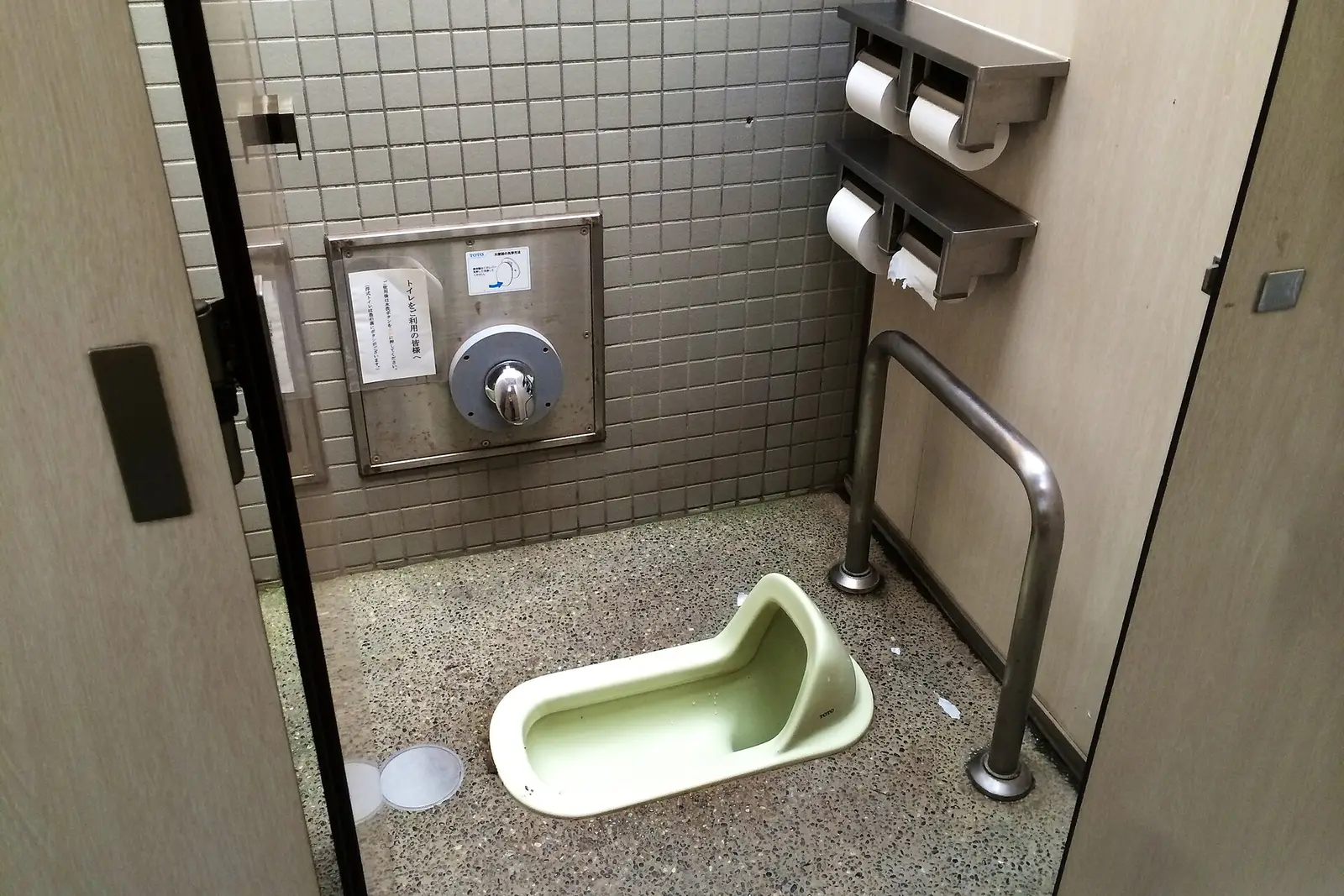
You open a stall door at a Japanese station or park and find no seat, just a long porcelain bowl set into the floor. Why are some Japanese toilets on the floor? Because they are the Japanese-style squat toilet, which is being replaced but is still kept in some places on purpose. This guide explains what you are seeing, why some are kept, the numbers from schools, who pays to replace them, and what to do if you meet one.
What you are seeing
A low, oblong bowl sits in the floor, with a raised hood at one end. There is no seat to touch. In the photo above, a metal handrail stands beside the bowl and the flush is a large button on the wall.
In Japanese this is a washiki toilet, meaning Japanese-style. The sit-down kind you know from home is called yoshiki, meaning Western-style.
The short answer
Japanese squat toilets sit in the floor because they are the Japanese-style design, made for squatting instead of sitting. Most toilets being installed today are Western-style. Squat stalls remain because some people avoid seats that strangers have used, and some schools keep one so children learn to use them.
Why some are kept on purpose
Japan's education ministry expects schools to keep switching to Western-style toilets. It gives three reasons: they are now widespread in homes, they are easier for people with disabilities, and they work better when a school becomes a disaster shelter.
Still, the ministry reports that some local school boards choose to keep a few squat toilets. It lists the two reasons they give:
- Stations and expressway rest stops still have some squat toilets, so children should learn how to use one.
- Hygiene: some students do not want a seat that touches their skin.
The numbers from schools
The education ministry counted every toilet that students use in public schools on September 1, 2020. Men's urinals were not counted.
- 1,356,999: toilets in public elementary and junior high schools.
- 773,682 (57.0%): Western-style. The rest, 583,317, were squat toilets.
- 43.3%: the Western-style share in the previous survey, in 2016.
- About 88%: school boards planning more Western-style than squat toilets in each school.
- 79.3% and 35.3%: the highest prefecture (Toyama) and the lowest (Shimane).
- 68.3%: the Western-style share in the ministry's latest figure.
Who pays to replace them
Switching a toilet can mean new pipes and a new floor, so the government helps pay:
- Schools: in 2020, a national grant covered one third of a toilet renovation, including switching squat toilets to Western-style.
- Tourist sites: the Japan Tourism Agency's 2024 program paid up to half the cost of switching toilets to Western-style at tourist facilities. Businesses, local governments and tourism bodies could apply.
- New buildings: under Japan's accessibility law, new public buildings of 2,000 square meters or more must have a wheelchair-accessible stall on floors with public toilets. For public restroom buildings, the line is 50 square meters.
Are squat toilets still common in Japan?
Less every year. In public schools, the Western-style share rose from 43.3% in 2016 to 57.0% in 2020, and the ministry now reports 68.3%.
Why do some Japanese people prefer squat toilets?
Mostly hygiene. The education ministry notes that some students do not want a Western-style toilet because the seat touches their skin.
If you meet one
- Check the other stalls first. Where a restroom has both kinds, a Western-style stall may be free.
- Look for the accessible stall. Large new public buildings must have one, and it is built for a wheelchair user, so it has a seat.
- If you use the squat toilet, hold the handrail if there is one, and keep your bag off the floor.
While you are at the station, the bird calls near the stairs have their own story, explained in why Japanese stations play bird sounds.
More on Japan Explained
 JAPAN EXPLAINED3 min read
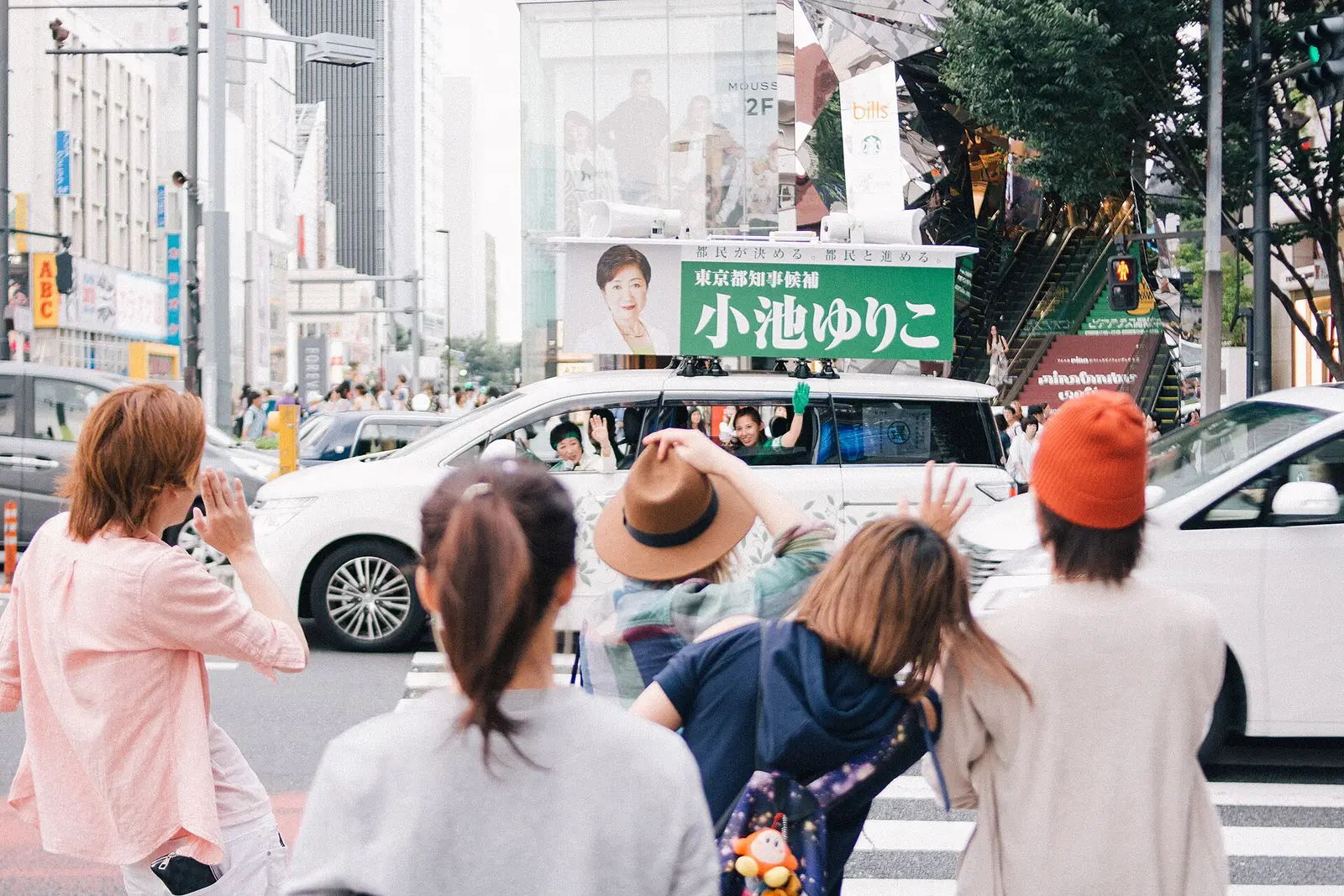
Japan's Election Vans: Why They Only Shout the Candidate's Name
White vans, loudspeakers and one name on repeat. The election law that makes them sound like that.
 JAPAN EXPLAINED3 min read
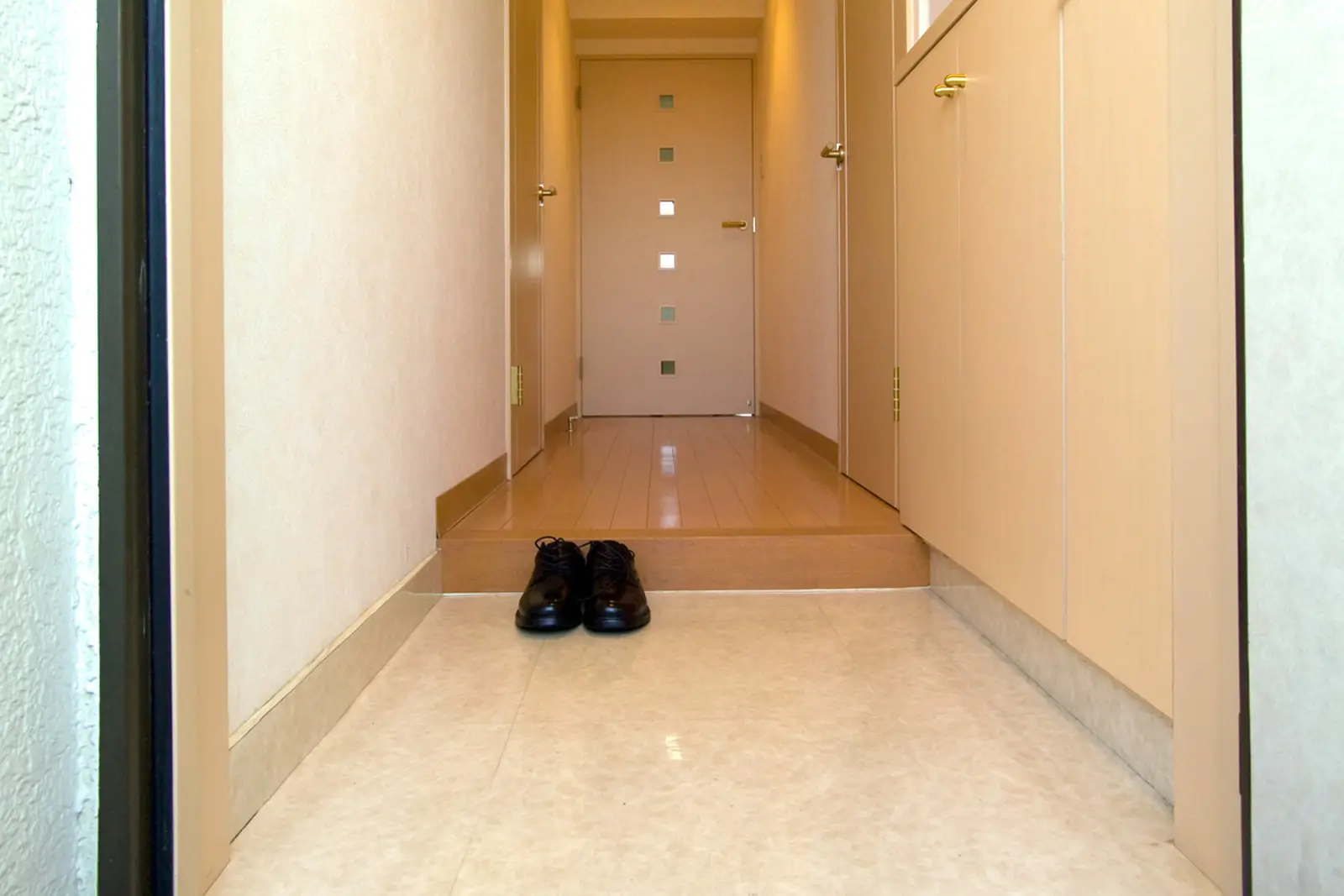
Why Do Japanese Front Doors Open Outwards? The Shoes
Doors that swing out toward you. The shoes behind them, and what Japan's building rules actually say.
 JAPAN EXPLAINED3 min read
Why Do Japanese Taxis Have Lace Seat Covers? The Clean Rule
White lace on the back seat. The national rule on clean taxis, and how the covers got there.