Why Do Japanese Stores Open So Late? The Rules Behind 10 am
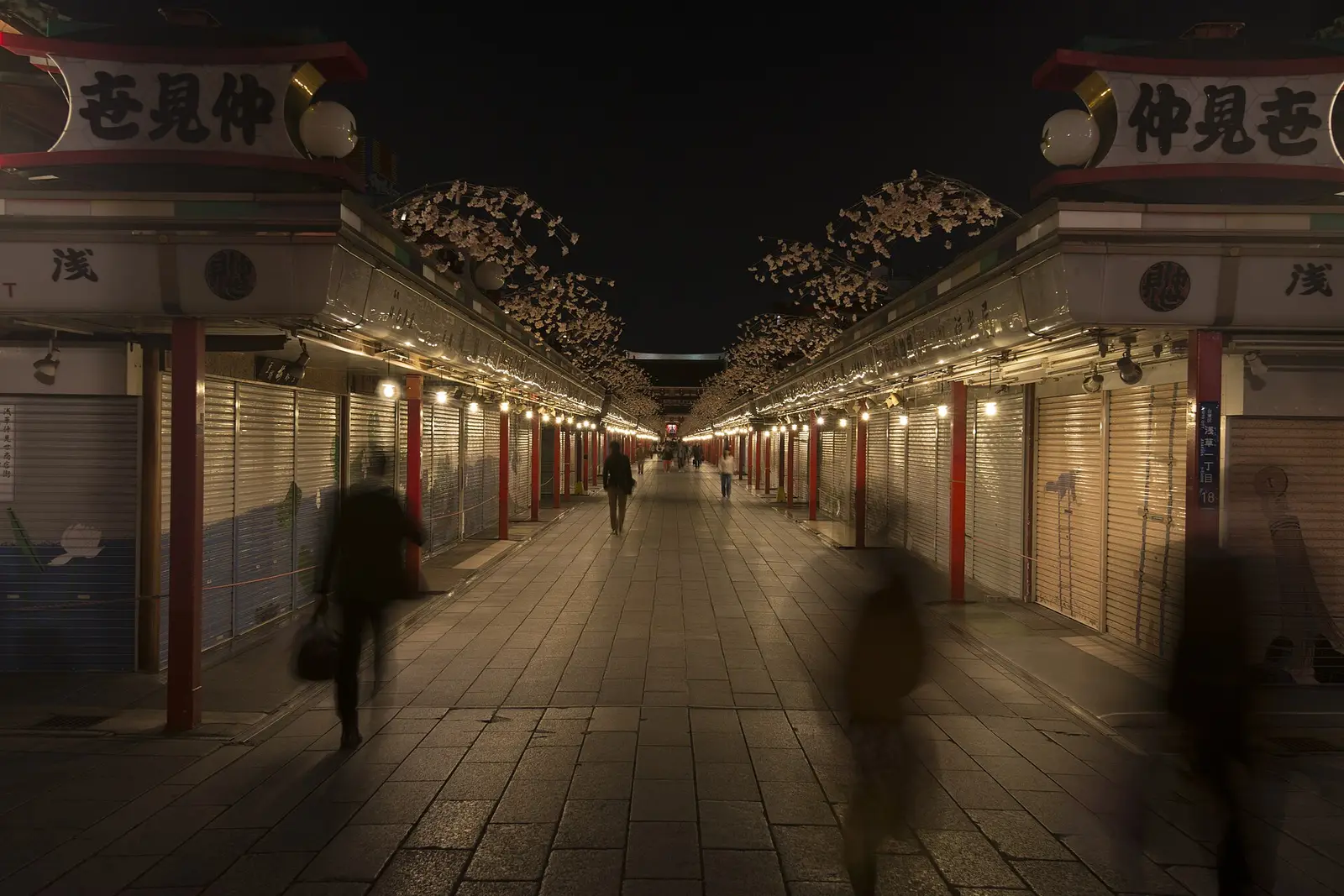
It is 9 am, you are jet-lagged and ready to shop, and every shutter on the street is still down. Why do Japanese stores open so late? Because each company chooses its own hours, and many big stores have settled on about 10 am to 8 pm. This guide explains what you are seeing, what the law says about store hours, the rule that ended in 2000, and how to plan a morning before the doors open.
What you are seeing
You walk out of your hotel early and the shopping street is silent. Metal shutters cover every shop front, like the ones in the photo above on Asakusa's Nakamise street. The big department store near the station has its doors locked, and a small sign gives its hours: 10:00 to 20:00.
The short answer
Japanese stores open late because each company sets its own hours, and many big stores choose to start around 10 am. Japan's national store law does not set an opening time. For large stores, the law makes opening later or closing earlier easy, while opening earlier means telling the prefecture first.
What the law actually says
Japan's Large-Scale Retail Store Location Act covers buildings with more than 1,000 m² of shop floor. Before such a store opens, its owner must report several things to the prefecture, the regional government. The list includes the parking, the loading area and the store's opening and closing times.
Changing those times later is not treated equally:
- Opening later or closing earlier: no advance notice is needed.
- Opening earlier or closing later: the owner must notify the prefecture in advance.
- After that notice: the owner holds a public briefing in the town within two months, and residents may send written comments within four months.
The government's guideline for these stores says late-night business can disturb the quiet of the neighborhood at night. It asks stores that do business late at night to be especially careful, and it adds extra noise checks for night hours.
The rules in numbers
- 1,000 m²: shop floor size above which a store must report its hours.
- 2 months: time to hold a public briefing after notifying a change.
- 4 months: time for the town and residents to send comments.
- 8 months: time for the prefecture to give its opinion.
- June 1, 2000: the day the old limits on closing time ended.
What the stores say
Department stores publish their hours, and some explain their changes. In 2022 one large department store group reset its basic hours from March. It said it weighed staff working styles, customer convenience and profit together. Its basic hours were 10 am to 8 pm, and some upper floors moved to a 7 pm close.
The same notice shows a second pattern. Some floors, mostly near the top of the buildings, open at 11 am, an hour after the rest of the store. Some of them stay open until 9 pm, 11 pm or midnight.
Some stores have moved even later. One department store in Kyoto now lists 10:30 am to 8 pm on its official hours page.
Did Japan ever limit shop hours?
Yes. Until June 1, 2000, an older law controlled how large stores did business. Japan's trade ministry explains that it adjusted their closing times, closed days and floor space. The aim was to protect small local shops nearby. The new law replaced that with rules about traffic, noise and waste.
Do all floors of a store keep the same hours?
No. In the store notice above, most floors open at 10 am and close around 7 or 8 pm, while some top floors open at 11 am and close much later. Small street restaurants keep their own day too, as explained in why Japanese restaurants close in the middle of the day.
How to plan your morning
Use the early hours for a walk or a sight, and check that place's own opening time. Save department stores for late morning, and look at each store's official hours page before you go. If you are out after 8 pm, check the store's floor guide, because some top floors stay open later than the floors below.
More on Japan Explained
 JAPAN EXPLAINED3 min read
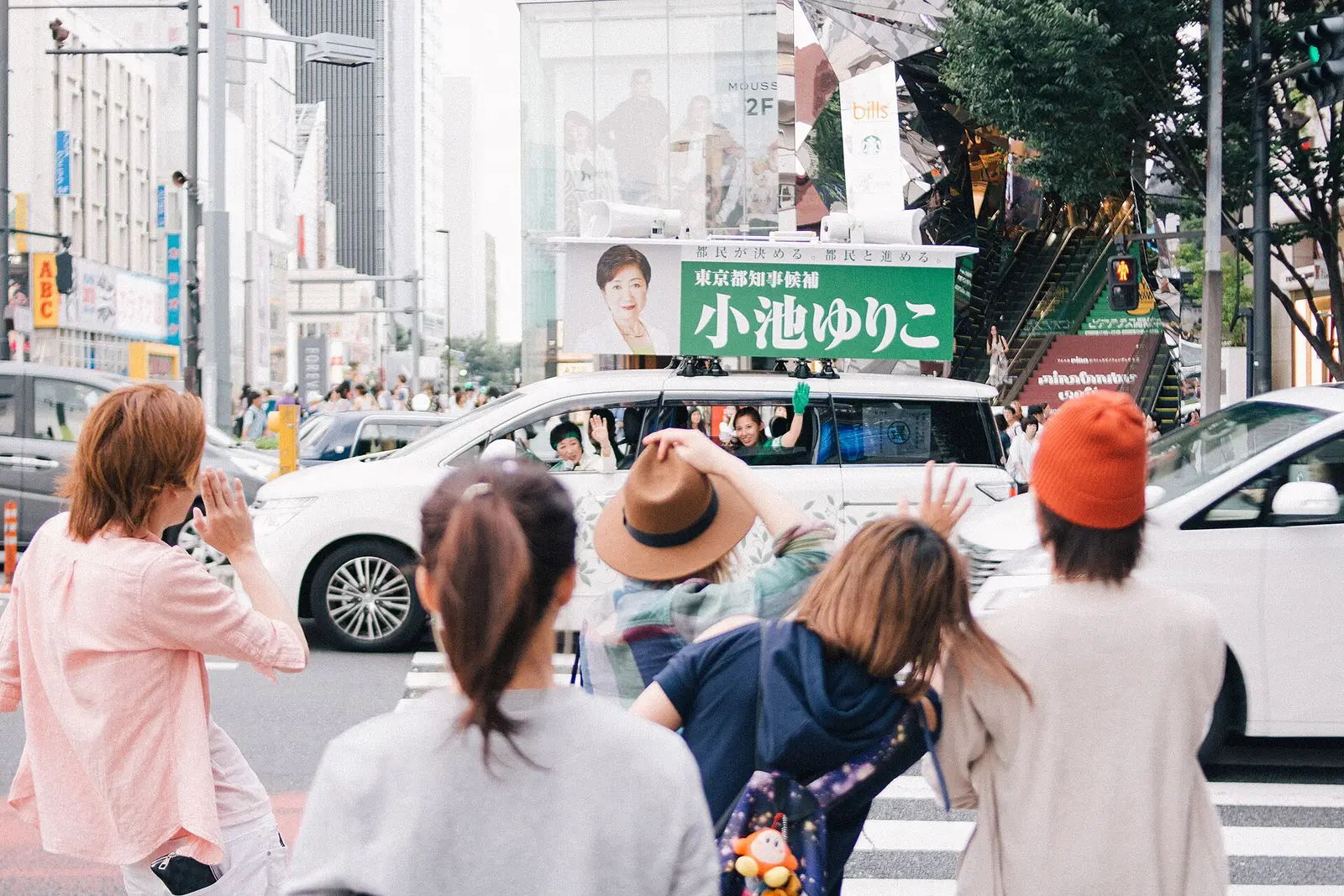
Japan's Election Vans: Why They Only Shout the Candidate's Name
White vans, loudspeakers and one name on repeat. The election law that makes them sound like that.
 JAPAN EXPLAINED3 min read
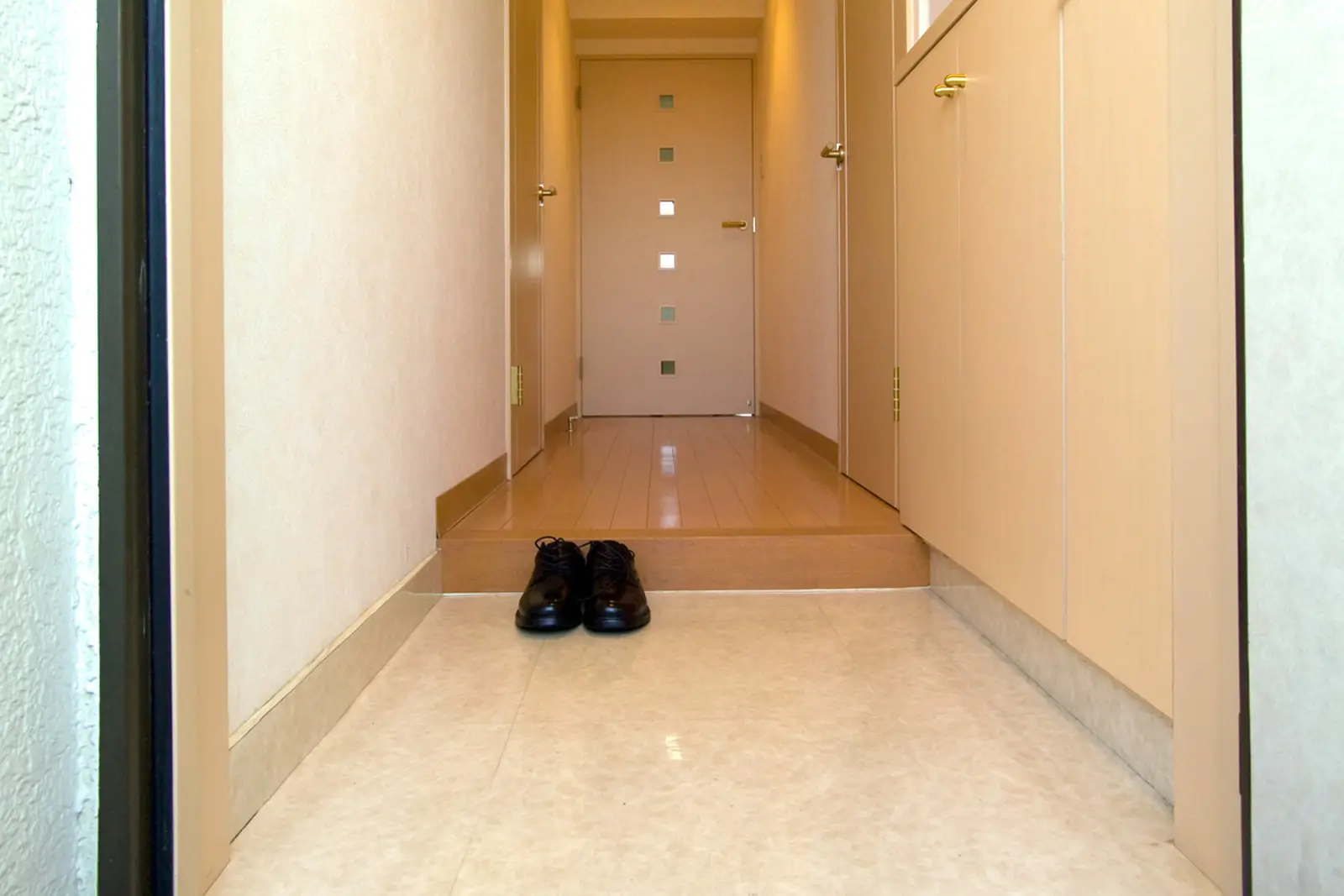
Why Do Japanese Front Doors Open Outwards? The Shoes
Doors that swing out toward you. The shoes behind them, and what Japan's building rules actually say.
 JAPAN EXPLAINED3 min read
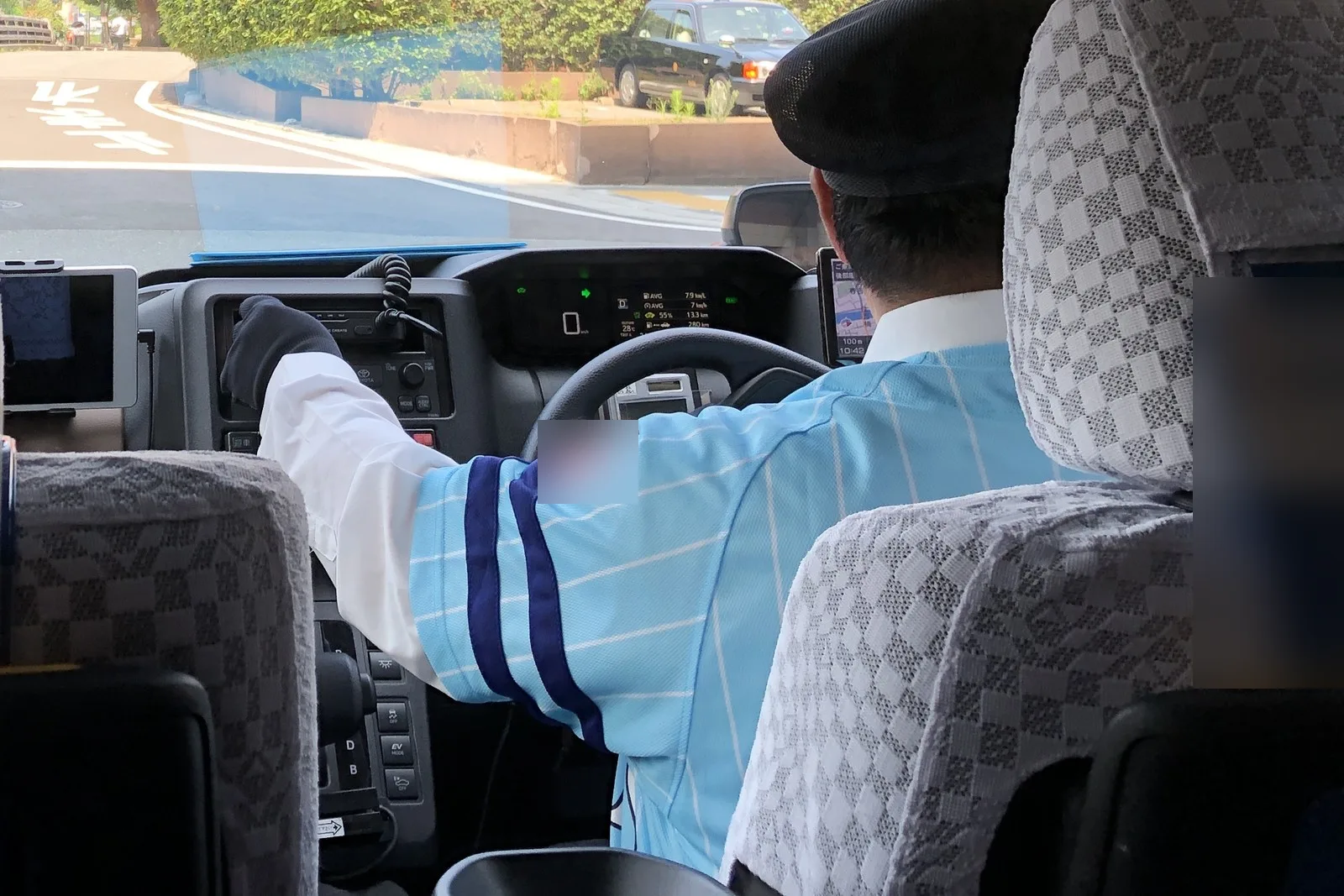
Why Do Japanese Taxis Have Lace Seat Covers? The Clean Rule
White lace on the back seat. The national rule on clean taxis, and how the covers got there.