Why Do Japanese Taxi Drivers Wear White Gloves? The Rules
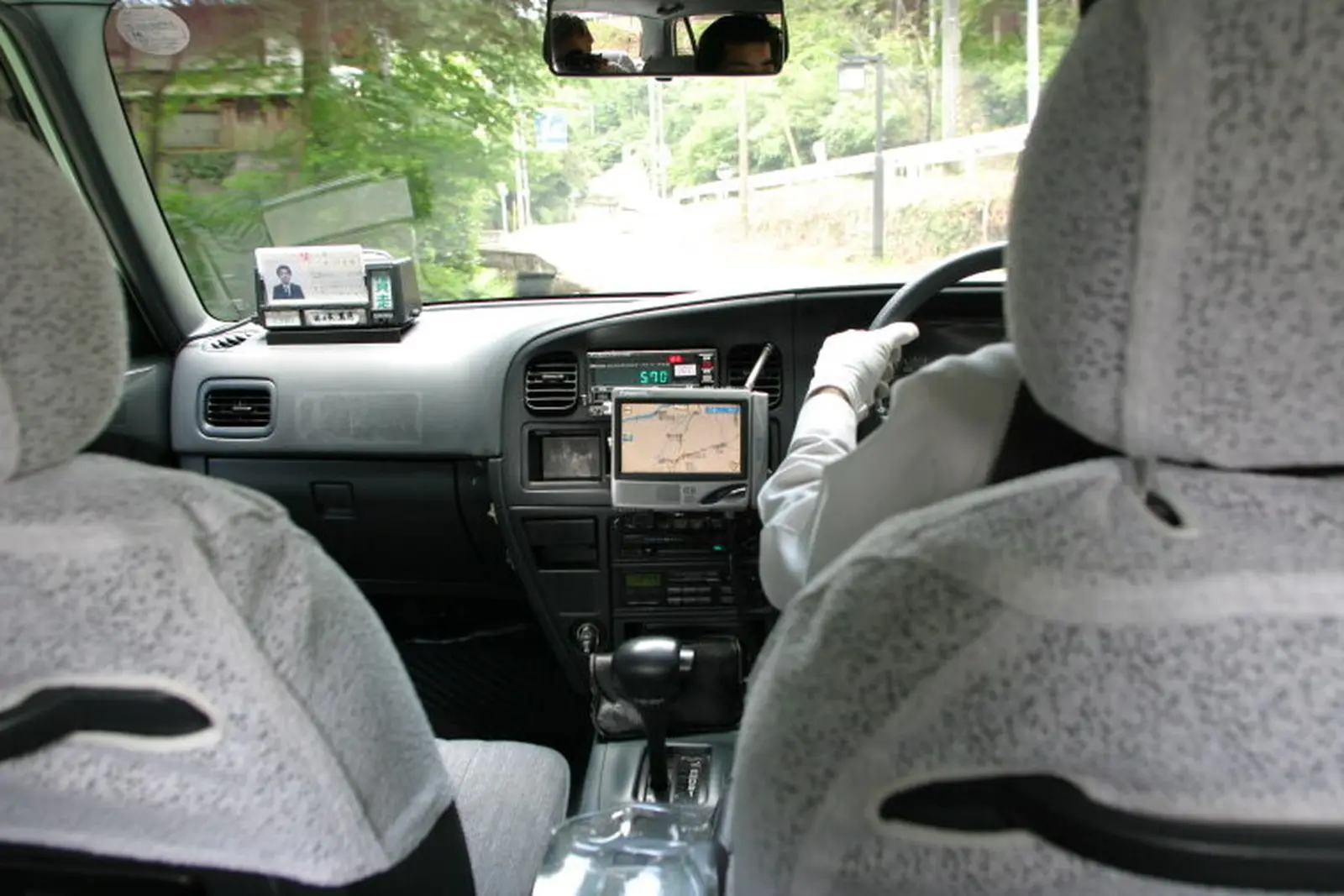
You get into a taxi in Japan and notice the driver's hands on the wheel are covered in clean white gloves. Why do Japanese taxi drivers wear white gloves? Because the gloves belong to the uniform each taxi company chooses for its drivers, not to any national law. This guide explains what you are seeing, the one national rule on clothing, who sets the dress code, what changed during COVID-19, and what it means when you ride.
What you are seeing
You sit in the back seat and look forward. The driver wears a white shirt or a dark suit, and the hands on the wheel are in thin white gloves. In the photo above, taken in Kyoto, the glove is the brightest thing in the front of the car.
The short answer
Japanese taxi drivers wear white gloves because the gloves are part of the uniform their company chooses. No national law requires gloves. Japan's rules for taxi and bus drivers say only one thing about clothing: it must not get in the way of driving. Everything else is up to each company.
The one national rule on clothing
Taxis and buses in Japan follow a national rulebook for passenger transport, written by the transport ministry in 1956. Article 50 lists what every professional driver must do. Most items are about safety checks, alcohol and tiredness.
Item 10 is the only one about clothes. A driver must not wear clothing that could stop them from driving smoothly. The rulebook does not mention gloves, ties, caps or colors.
Who sets the dress code
The dress code comes from the taxi company. You can see this in a program run by the national transport ministry's regional office in Chugoku, western Japan. Taxi firms in Hiroshima City can be certified for good manners. To qualify, a company must:
- set rules on clothing and grooming, such as wearing a uniform and cap,
- make sure its drivers follow those rules,
- train its drivers in customer manners at least once a year,
- keep the inside of its cars clean.
The program says it began because passengers complained about taxi manners in the city. The rules leave the details of the uniform to each firm. So whether gloves are part of it depends on the company.
The rules in numbers
- 1956: the year of the national rulebook for passenger transport.
- Article 50, item 10: the only national line on a driver's clothing.
- Once a year: the minimum manners training for certified firms in Hiroshima.
- May 14, 2020: the national taxi federation's first COVID-19 guideline.
- November 1, 2021: its third edition, still asking for gloves when handling fares.
Did COVID-19 change the gloves?
Yes. During the pandemic, gloves also became health advice. The national hire-taxi federation's COVID-19 guideline asked drivers to wear a mask and gloves when passing fares. It also told them to use a tray for cash and cards to avoid direct contact.
Is it a law for taxi drivers to wear gloves?
No. The national rule bans only clothing that gets in the way of driving. A driver with bare hands breaks no national rule.
Do owner-driver taxis follow the same rules?
They set their own. In the Hiroshima program, owner-drivers must wear clothes, such as a uniform and cap, that do not make passengers uncomfortable. Many visitors also ask why the color is white. The Japanese official sources we read do not say.
When you take a taxi in Japan
Do not worry if your driver has no gloves. It is a company choice, not a safety warning. At the end of the ride, place your cash or card on the small tray instead of handing it over. The driver will put your change and receipt there too.
While you wait, look around the car. The lace on the seats is explained in why Japanese taxis have lace seat covers. The door that opens by itself is explained in why Japanese taxis have automatic doors.
More on Japan Explained
 JAPAN EXPLAINED3 min read
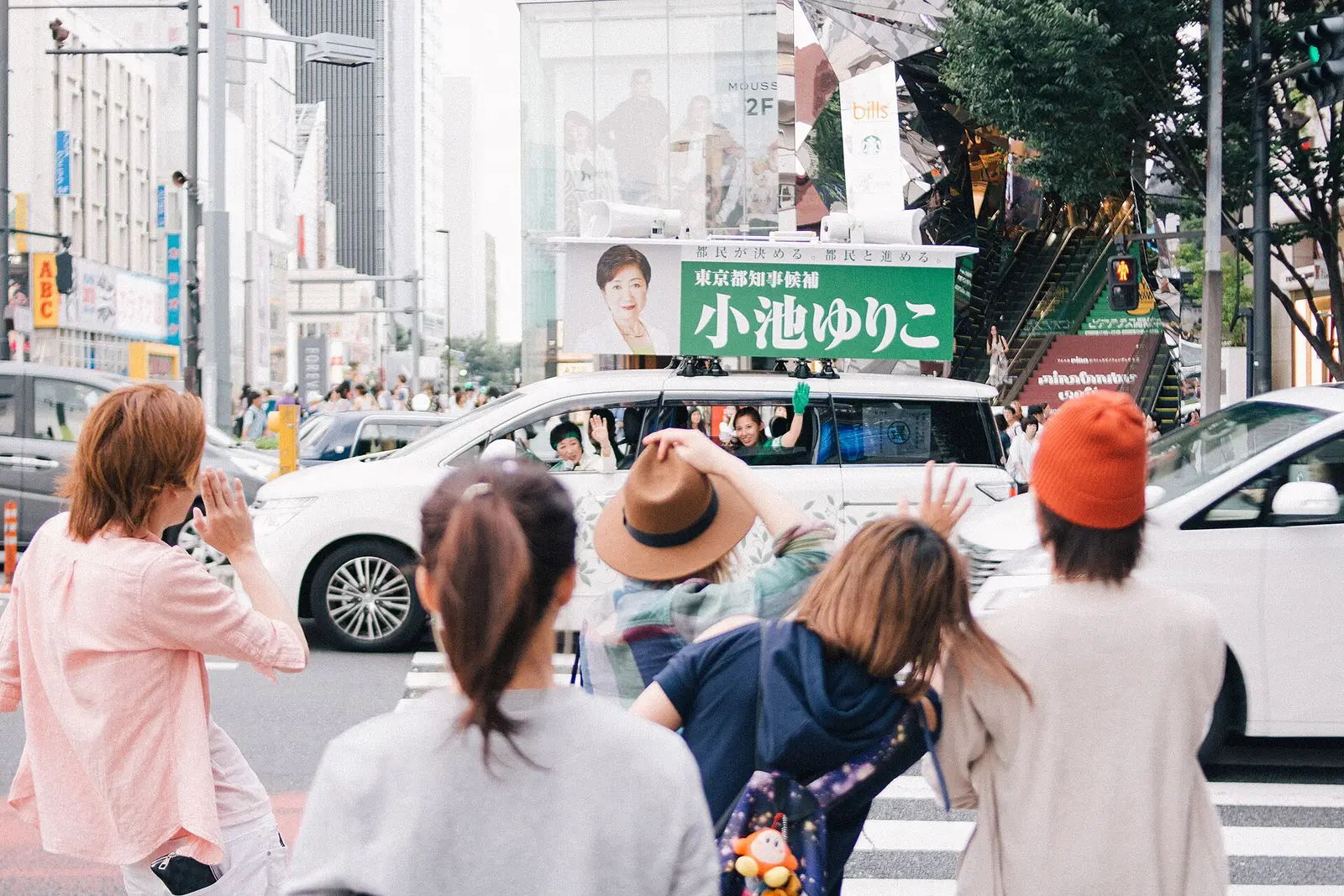
Japan's Election Vans: Why They Only Shout the Candidate's Name
White vans, loudspeakers and one name on repeat. The election law that makes them sound like that.
 JAPAN EXPLAINED3 min read
Why Do Japanese Front Doors Open Outwards? The Shoes
Doors that swing out toward you. The shoes behind them, and what Japan's building rules actually say.
 JAPAN EXPLAINED3 min read
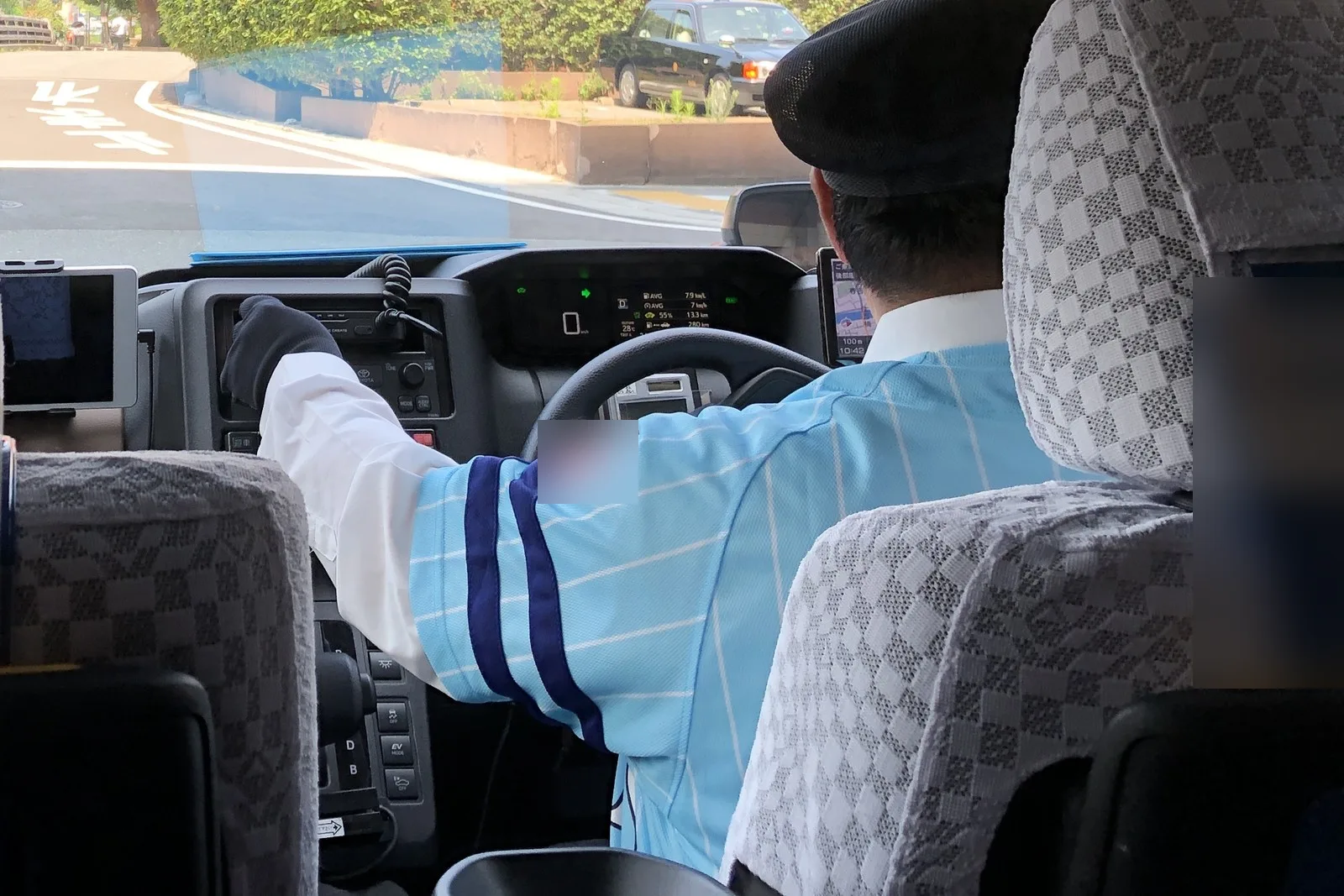
Why Do Japanese Taxis Have Lace Seat Covers? The Clean Rule
White lace on the back seat. The national rule on clean taxis, and how the covers got there.