Why Do Japanese Buses Beep? The Rules Behind Each Sound
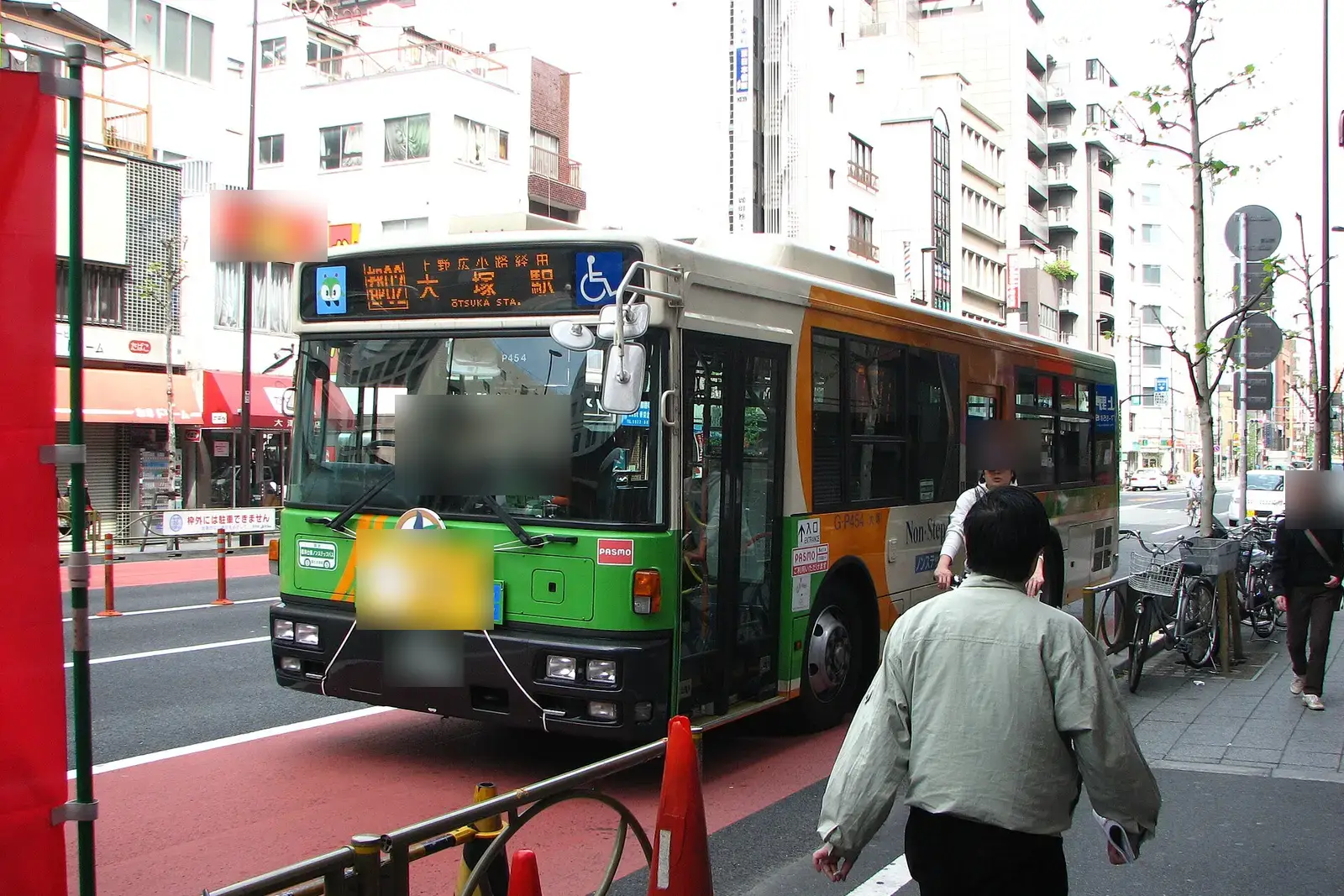
You are waiting at a bus stop in Tokyo and the bus that just closed its doors gives a short honk before it pulls away. Why do Japanese buses beep? Because Japan's bus rules tell drivers to sound the horn right before setting off unless they have confirmed it is safe, and newer large buses must also beep when they reverse. This guide explains the horn rule, the reverse alarm, the voices you hear, and what to do when a bus beeps near you.
What you are seeing
A city bus stops, people get on, and the doors fold shut. Then comes a short tap of the horn, and the bus moves off. At a depot or a narrow street you may also hear a steady beep-beep as a bus backs up. Outside, a recorded voice may call out where the bus is going.
The short answer
Japanese buses beep because the rules for bus companies tell drivers to sound the horn just before setting off, unless they have checked that it is safe. The beep you hear when a bus reverses is a separate rule. Since 2025, new large bus and truck models must sound an alarm whenever they back up.
The horn before pulling away
In most situations, Japanese drivers are not allowed to use the horn. The Road Traffic Act bans it unless a law says to sound it, or to avoid danger.
Bus drivers have one such law. A national rule for passenger transport companies covers buses with 11 or more seats. It says the driver must sound the horn just before departure, unless safety has been confirmed. It applies to one-driver buses with no conductor too. So the short honk is a warning to anyone near the bus. It tells walkers and cyclists that the bus is about to move.
The same rule says a one-driver bus must not leave until its doors are closed. So the bus cannot set off with its doors still open.
The rules in numbers
- 11 seats or more: buses whose drivers follow the horn-before-departure rule.
- 10 seats or more and over 3.5 tonnes: buses that must have a reverse alarm.
- January 2025: reverse alarms required on new bus and truck models.
- January 2027: required on newly made buses and trucks of older models too.
- 60 to 75 dB: the "normal" alarm level that Japan requires. The alarm must start by itself when the driver selects reverse.
Where the reverse alarm rule came from
The reverse alarm is a United Nations vehicle rule, Regulation No. 165, agreed in June 2022. Japan's transport ministry says Japan chaired the working group behind it, set up in 2017. Japan then wrote it into its own vehicle safety standards.
Do Japanese buses talk when they turn?
Some vehicles play a buzzer or voice when they turn. Japan's vehicle standards ban horn-like sounds, but they allow a buzzer or similar device that warns walkers when a vehicle turns, changes lanes or reverses. It is allowed, not required, for buses.
Why does the bus speak to people outside?
Route buses must carry an outside loudspeaker under Japan's accessibility rules. The bus company must use it to announce the destination and other route details at the right times. Inside, the next stop must be shown in text and announced by voice.
Are electric buses silent?
No. An electric vehicle must have a device that warns pedestrians it is coming. The rule does not apply to vehicles whose engine always runs while driving.
If a bus beeps near you
Japan uses sound for safety elsewhere too, from the bird calls in train stations to taxi doors that open by themselves. On the street, treat a honk at a bus stop as "moving now", and step back from the curb. Treat a steady beep as "reversing", and keep clear behind the bus.
More on Japan Explained
 JAPAN EXPLAINED3 min read
Japan's Election Vans: Why They Only Shout the Candidate's Name
White vans, loudspeakers and one name on repeat. The election law that makes them sound like that.
 JAPAN EXPLAINED3 min read
Why Do Japanese Front Doors Open Outwards? The Shoes
Doors that swing out toward you. The shoes behind them, and what Japan's building rules actually say.
 JAPAN EXPLAINED3 min read
Why Do Japanese Taxis Have Lace Seat Covers? The Clean Rule
White lace on the back seat. The national rule on clean taxis, and how the covers got there.